
Most people assume a routine dental exam is simply about finding cavities. While checking for tooth decay is certainly an important part of the visit, it’s only one piece of a much larger picture.
Your oral health changes over time, often in ways that aren’t immediately noticeable. A small crack in a tooth, gradual wear on an existing filling, early gum changes, or subtle shifts in your bite may not cause discomfort right away, but they can provide important information about the health of your smile.
At Crews Dental, every dental exam is an opportunity to better understand your oral health as a whole. By carefully evaluating your teeth, gums, existing dental work, and overall oral health, our team can identify changes early, answer your questions, and recommend care that’s tailored to your individual needs.
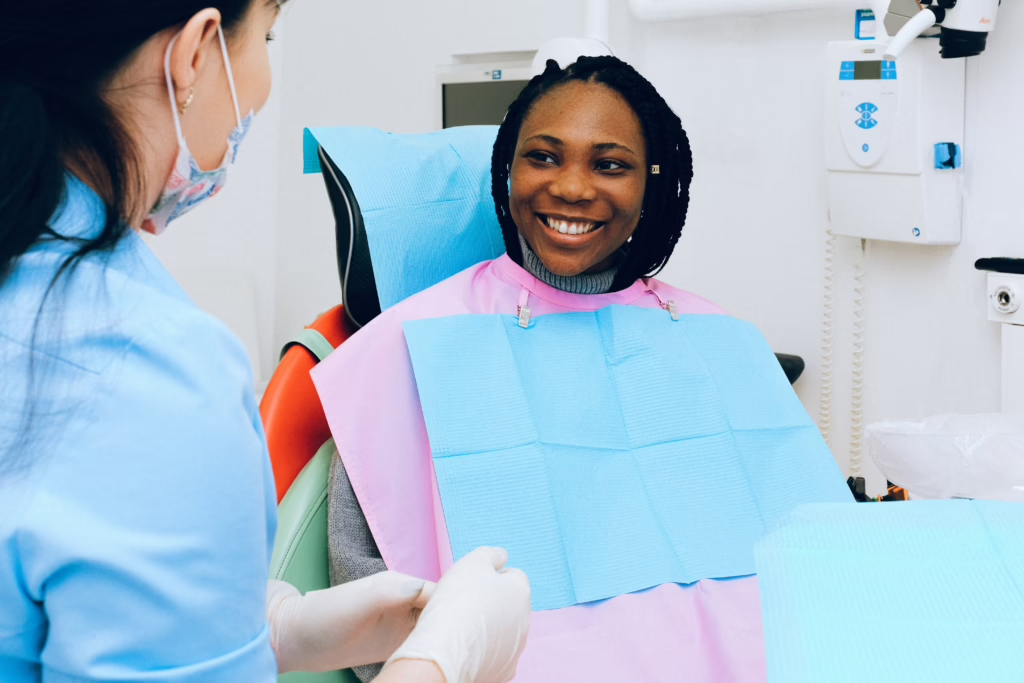
A Dental Exam Is About Understanding What’s Changed
One of the most valuable parts of a routine dental exam is comparing your oral health over time.
Rather than looking at your smile as a single moment in time, your dentist evaluates whether anything has changed since your last visit. Even small differences can provide important clues about how your oral health is progressing.
For example, your dentist may notice:
- A small area of wear that wasn’t present before
- A filling that’s beginning to show signs of aging
- Early changes in your gums
- A chipped tooth that could become more vulnerable to damage
- New areas where plaque tends to accumulate
These observations help your dentist determine whether continued monitoring, preventive care, or treatment may be appropriate. In many cases, identifying changes early provides more options for preserving healthy teeth and supporting long-term oral health.
Your Dentist Is Looking at More Than Your Teeth
Although teeth are naturally the focus of many dental visits, a comprehensive exam includes much more.
Your dentist evaluates how different parts of your mouth work together to support a healthy smile, including existing restorations such as fillings, crowns, and bridges. This may include examining your gums, existing restorations, soft tissues, and other aspects of your oral health that contribute to your comfort and long-term function.
During your exam, your dentist may assess:
- The condition of your teeth
- Existing fillings, crowns, or other restorations
- Gum health
- Areas of excessive tooth wear
- Changes in your bite or chewing function
- The overall condition of your oral tissues
Looking at these factors together provides a more complete understanding of your oral health than checking for cavities alone.
Small Changes Can Make a Big Difference
Many dental concerns begin gradually.
A tooth may become slightly more sensitive. A filling may start to wear down. A small chip may develop after biting into something hard. These changes may seem minor, but paying attention to them can help prevent more extensive problems later.
Routine dental exams allow your dentist to identify these subtle changes before they become more complex. For example, an aging restoration may simply need to be monitored, while other situations may benefit from replacing a worn dental filling before additional damage occurs.
Recognizing these changes early supports Crews Dental’s preventive approach to care. Rather than waiting for discomfort to develop, your dentist can discuss your options and recommend treatment based on your specific oral health needs.
Every Patient’s Oral Health Is Different
Two patients may visit the dentist on the same day and leave with very different recommendations—even if neither has a cavity.
That’s because your oral health isn’t determined by a single factor. Your dental history, existing restorations, daily habits, bite, and long-term goals all influence what your dentist looks for during an exam and what care may be appropriate.
For example, one patient may simply need routine monitoring, while another may benefit from restoring a worn tooth or replacing an aging restoration. The goal isn’t to recommend treatment whenever something changes. It’s to understand your oral health as a whole and provide guidance that’s tailored to your individual needs.
At Crews Dental, personalized care begins with listening. Your concerns, questions, and goals are just as important as the clinical findings during your examination.
Routine Dental Exams Help Protect Your Smile Over Time
Preventive dentistry isn’t only about avoiding cavities—it’s about maintaining a healthy, functional smile throughout every stage of life.
Routine dental exams give your dentist the opportunity to monitor changes over time, evaluate existing dental work, and recommend care that helps preserve healthy teeth whenever possible.
Whether your smile remains stable or a small concern is identified, regular evaluations provide valuable information that supports informed decision-making. Instead of reacting to problems after they become more advanced, you and your dentist can work together to help protect your oral health through proactive, personalized care.
A Better Understanding Leads to Better Decisions
One of the most important benefits of a comprehensive dental exam is the opportunity to better understand your own oral health.
When patients know what their dentist is evaluating and why certain recommendations are made, they’re better equipped to make informed decisions about their care. Whether that means continuing routine preventive visits, monitoring a specific area, or discussing treatment options, education plays an important role in maintaining a healthy smile.
At Crews Dental, every dental exam is designed to be a conversation—not simply an appointment. By taking the time to explain findings and answer questions, our team helps patients feel informed, confident, and actively involved in protecting their long-term oral health.
Looking Beyond Cavities for Lifelong Oral Health
A routine dental exam is about much more than finding cavities. It’s an opportunity to evaluate changes in your oral health, monitor existing dental work, and identify concerns before they become more complex.
At Crews Dental, comprehensive dental exams are part of a personalized approach to care that focuses on prevention, education, and long-term wellness. By understanding your oral health as a whole, we can recommend care that’s tailored to your unique needs and goals.
If it’s time for your next dental exam, contact Crews Dental to schedule an appointment. We’re here to help you maintain a healthy smile through every stage of life.
Frequently Asked Questions
What does a dentist look for during a routine dental exam?
In addition to checking for cavities, your dentist evaluates your gums, existing restorations, tooth wear, oral tissues, and other changes that may affect your long-term oral health.
Why are routine dental exams important if my teeth feel fine?
Many dental concerns develop gradually and may not cause noticeable symptoms right away. Regular exams allow your dentist to monitor changes and identify potential concerns before they become more complex.
Will my dentist check existing fillings and crowns during my exam?
Yes. Your dentist will evaluate existing restorations to make sure they’re functioning properly and determine whether they show signs of wear or damage.
Can a routine dental exam help prevent future dental problems?
Routine exams help your dentist monitor your oral health over time and recommend preventive or restorative care when appropriate. Early evaluation often provides more treatment options and supports long-term oral health.
Why might two patients receive different treatment recommendations?
Every patient has different oral health needs, dental histories, and treatment goals. Your dentist develops personalized recommendations based on a comprehensive evaluation rather than using a one-size-fits-all approach.
How often should I schedule a dental exam?
The appropriate schedule varies from patient to patient. Your dentist will recommend an examination schedule based on your oral health needs and risk factors