
When most people think about oral health, they focus on brushing, flossing, and preventing cavities. While these habits are important, there is another factor that can have a significant impact on your long-term oral health: your bite.
Your bite refers to how your upper and lower teeth come together when you close your mouth. Ideally, your teeth should work together comfortably and efficiently. When they do not, excessive stress can be placed on certain teeth, muscles, and joints over time.
Many patients are surprised to learn that signs of bite problems are not always obvious. Some people experience symptoms for years before realizing their bite may be contributing to the issue. Understanding the role of bite function can help you recognize potential concerns and seek care before they become more complex.
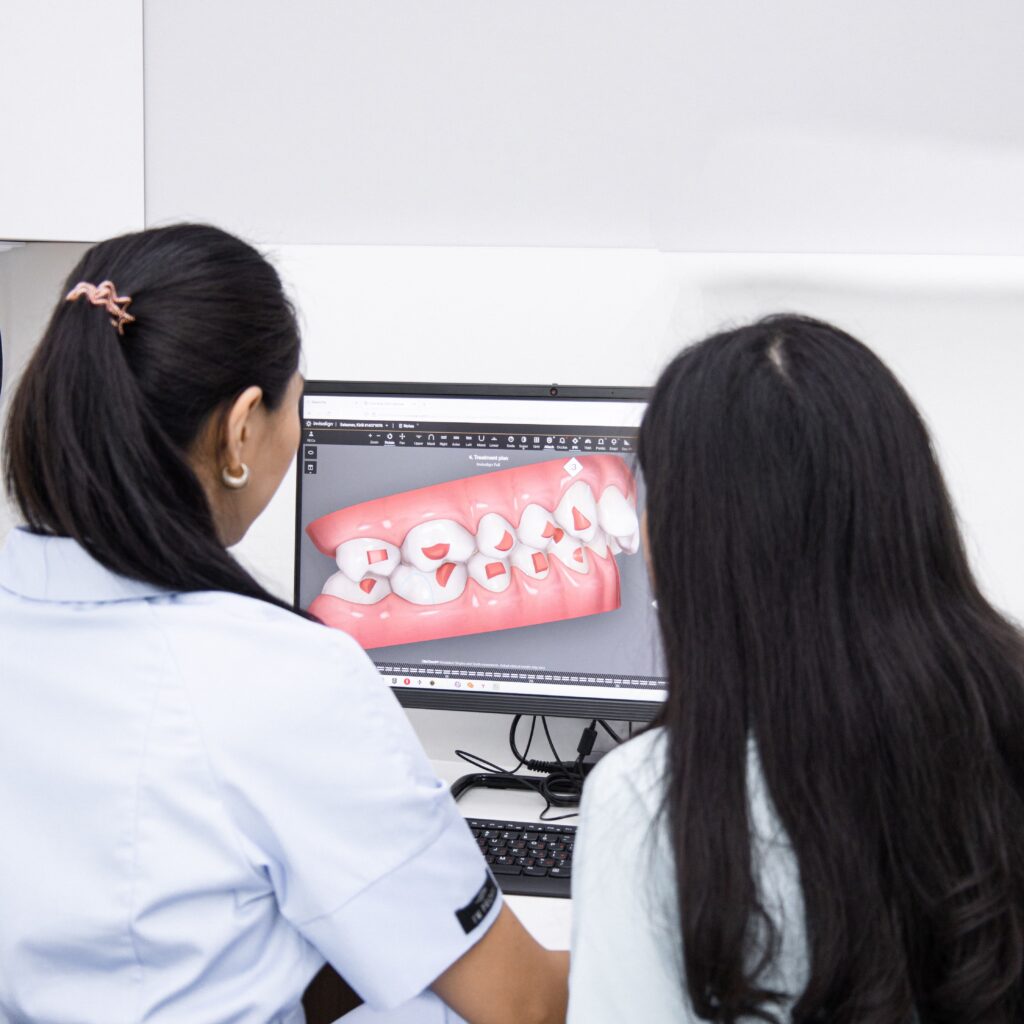
What Is a Healthy Bite?
A healthy bite allows your teeth, jaw joints, and muscles to work together properly. When your bite is functioning as intended, everyday activities such as chewing and speaking can occur comfortably and efficiently.
Every person’s smile is unique, so there is no single definition of a perfect bite. However, dentists evaluate how teeth fit together, how forces are distributed across the mouth, and whether there are signs of excessive stress or wear.
Because bite function affects many aspects of oral health, it is an important part of a comprehensive dental evaluation.
Common Signs of Bite Problems
Bite concerns do not always cause immediate pain or discomfort. In many cases, the signs develop gradually over time.
Some common signs of bite problems may include:
- Uneven tooth wear
- Chipped or cracked teeth
- Teeth that appear shorter than they once did
- Frequent dental restorations that become damaged
- Jaw soreness or fatigue
- Teeth grinding or clenching
- Increased tooth sensitivity
- Difficulty finding a comfortable bite position
Experiencing one or more of these symptoms does not necessarily mean a bite problem is present. However, these signs may indicate that an evaluation could be beneficial.
How Bite Problems Can Affect Your Teeth
When teeth do not come together evenly, certain areas of the mouth may absorb more force than others. Over time, this imbalance can contribute to excessive wear and damage.
For example, some patients develop flattened or worn teeth due to years of grinding or uneven bite pressure. Others may experience recurring chips, fractures, or damage to existing dental work.
Even minor bite issues can become more noticeable over time as natural wear accumulates. This is one reason dentists often look beyond individual symptoms and evaluate how the entire bite functions.
The Connection Between Bite Function and Long-Term Oral Health
A healthy bite is about more than protecting individual teeth. Bite function can influence many aspects of oral health, including comfort, stability, and the longevity of dental restorations.
For patients who have crowns, veneers, dental implants, or other restorative treatment, bite function plays an important role in helping those restorations function properly. Excessive forces placed on specific teeth can sometimes increase the risk of wear or damage over time.
This does not mean bite problems always lead to serious complications. However, identifying concerns early may help support long-term oral health and reduce unnecessary stress on teeth and restorations.
Why Dentists Evaluate Bite Function
At Crews Dental, evaluating oral health involves more than checking for cavities and gum disease.
As part of a comprehensive examination, dentists may evaluate how teeth fit together, identify signs of excessive wear, and assess factors that could affect long-term function. This approach aligns with the practice’s commitment to functional and whole-body dentistry.
Understanding bite function helps create a more complete picture of oral health and allows treatment recommendations to be tailored to each patient’s individual needs.
Treatment Options May Vary
Not every bite concern requires extensive treatment. Recommendations depend on factors such as symptoms, oral health, bite function, and long-term goals.
Depending on the situation, treatment may involve monitoring changes over time, restorative dentistry to repair damaged teeth, Invisalign® treatment to improve alignment, or other approaches designed to support healthy oral function.
Because every patient is different, treatment planning should always be personalized rather than based on a one-size-fits-all solution.
Why Early Evaluation Matters
Many bite-related concerns develop gradually. As a result, patients may not notice changes until significant wear or damage has already occurred.
Routine dental visits provide an opportunity to identify potential concerns before they become more complex. Early evaluation may help preserve treatment options and support long-term oral health.
This proactive approach reflects Crews Dental’s focus on prevention, education, and helping patients make informed decisions about their care.
Conclusion
Your bite plays a larger role in oral health than many people realize. From tooth wear and dental damage to overall comfort and function, the way your teeth fit together can influence your smile for years to come.
Understanding the signs of bite problems is an important step toward protecting your oral health. If you have concerns about tooth wear, bite alignment, or changes in your smile, contact Crews Dental to schedule an evaluation and learn more about your options.
Frequently Asked Questions
What are common signs of bite problems?
Common signs may include uneven tooth wear, chipped teeth, jaw soreness, teeth grinding, clenching, and difficulty finding a comfortable bite position.
Can bite problems affect dental restorations?
Bite function can influence how forces are distributed across the mouth. Excessive pressure on certain teeth or restorations may contribute to wear over time.
Does everyone with tooth wear have a bite problem?
Not necessarily. Tooth wear can occur for a variety of reasons. A dental evaluation can help determine whether bite function may be contributing to the issue.
How do dentists evaluate bite function?
Dentists may assess how teeth fit together, look for signs of wear, evaluate oral function, and consider other factors that may affect long-term oral health.