
When most people think about visiting the dentist, they often focus on routine cleanings, cavities, or cosmetic concerns. While these services are important, modern dentistry has evolved to look at oral health from a broader perspective.
A whole-body approach to dentistry recognizes that oral health is connected to many aspects of a person’s overall well-being. Rather than focusing only on individual teeth, dentists may evaluate how the teeth, gums, bite, jaw function, and other oral structures work together to support long-term health and function.
At Crews Dental, this philosophy helps guide personalized treatment recommendations and supports a proactive approach to maintaining healthy smiles.
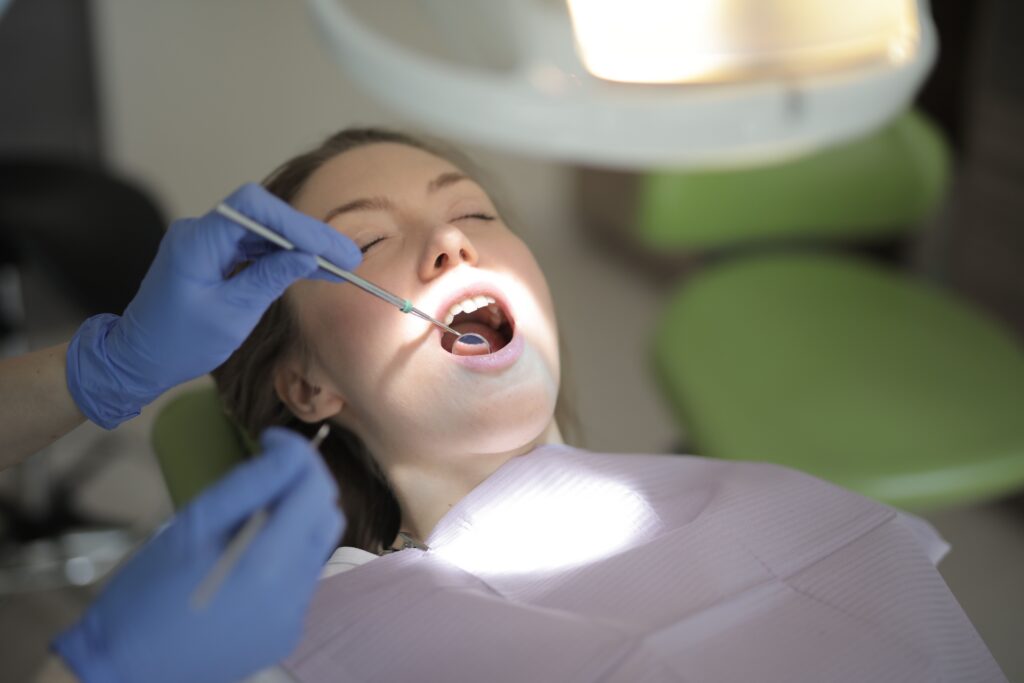
Understanding Whole-Body Dentistry
Whole-body dentistry focuses on understanding the bigger picture of oral health.
This approach does not mean that dental care replaces medical care or that dental treatment can cure unrelated health conditions. Instead, it recognizes that the mouth is an important part of the body and that oral health should be considered within the context of a patient’s overall wellness.
Rather than only addressing dental problems after they occur, whole-body dentistry emphasizes prevention, education, and identifying factors that may influence long-term oral health.
The goal is to help patients make informed decisions about their care while supporting healthy function, comfort, and confidence.
Looking Beyond Teeth Alone
Traditional dental examinations often focus on identifying concerns such as cavities, gum disease, or damaged restorations.
While these evaluations remain important, a whole-body approach may also include evaluating factors such as:
- Bite function
- Tooth wear
- Jaw movement
- Oral habits
- Airway-related considerations
- Long-term oral stability
By considering these factors together, dentists can develop a more complete understanding of a patient’s oral health needs.
This broader perspective helps create treatment recommendations that support both immediate concerns and long-term wellness goals.
Why Bite Function Matters
One of the key principles of whole-body dentistry is understanding how the teeth work together.
A person’s bite influences how chewing forces are distributed throughout the mouth. When excessive force is placed on specific teeth, it may contribute to wear, fractures, sensitivity, or damage over time.
Because of this, evaluating bite function is often an important part of comprehensive dental care.
At Crews Dental, bite-focused evaluations help identify potential concerns and provide valuable information that can support personalized treatment planning.
The Role of Prevention in Long-Term Wellness
Many dental problems develop gradually over time. Small concerns may not always cause immediate symptoms, which can make them easy to overlook.
A whole-body approach emphasizes identifying concerns early whenever possible. This may include monitoring changes in tooth wear, evaluating bite function, and discussing habits that could affect oral health.
Preventive care is not simply about avoiding cavities. It is about helping patients maintain healthy function, preserve natural teeth, and support long-term oral wellness.
Routine dental visits provide valuable opportunities to evaluate these factors before they become more complex.
Personalized Treatment Planning
No two patients have the same oral health history, goals, or concerns.
This is why personalized care is a central part of a whole-body approach to dentistry.
Rather than recommending the same solution for every patient, dentists consider factors such as oral health status, bite function, lifestyle, treatment goals, and long-term needs when developing recommendations.
Depending on the situation, treatment may involve preventive care, restorative dentistry, Invisalign® treatment, cosmetic dentistry, or other approaches designed to support both function and aesthetics.
This individualized process helps ensure that care is tailored to each patient’s unique circumstances.
What Patients Can Expect
Patients often appreciate a whole-body approach because it encourages collaboration and education.
Appointments may include discussions about oral health habits, changes patients have noticed, treatment goals, and factors that may influence long-term dental health.
Rather than focusing only on immediate concerns, the conversation often includes strategies for maintaining oral health and supporting long-term function.
This educational approach helps patients better understand their oral health and feel more confident in their treatment decisions.
A Comprehensive Approach to Healthy Smiles
Whole-body dentistry is ultimately about understanding how different aspects of oral health work together.
By looking beyond individual teeth and considering factors such as bite function, prevention, oral stability, and personalized care, dentists can develop treatment recommendations that support long-term wellness and healthy smiles.
This philosophy reflects Crews Dental’s commitment to helping patients achieve not only beautiful smiles but also healthy function and lasting oral health.
Conclusion
A whole-body approach to dentistry recognizes that oral health is about more than treating problems as they arise. By considering factors such as bite function, prevention, oral habits, and long-term wellness, dentists can provide more comprehensive and personalized care.
If you are interested in learning more about Crews Dental’s approach to oral health, contact our team to schedule an appointment and discuss your goals with an experienced dental professional.
Frequently Asked Questions
What is whole-body dentistry?
Whole-body dentistry is an approach that considers oral health within the context of overall wellness. It focuses on prevention, function, personalized care, and long-term oral health.
Is whole-body dentistry different from traditional dentistry?
Whole-body dentistry still includes traditional dental services such as cleanings, restorative treatment, and preventive care. The difference is that it also considers factors such as bite function, oral habits, and long-term oral wellness.
Does whole-body dentistry replace medical care?
No. Whole-body dentistry does not replace medical care or medical treatment. It focuses on supporting oral health while recognizing the connection between the mouth and overall wellness.
Why does bite function matter?
Bite function influences how forces are distributed throughout the mouth. Evaluating bite function can help dentists better understand factors that may affect long-term oral health and comfort.